





Coalition of CSOs Seek Increased Budget Allocation to End Gender-based Violence in FCT
By Ewache Ajefu
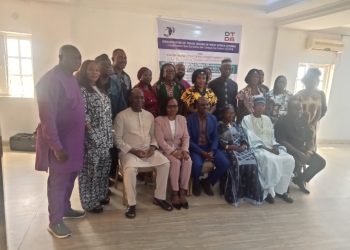
A coalition of civil society organisations(CSOs) in the Federal Capital Territory (FCT) has advocated a gender-responsive budgeting framework to check the prevailing violence against women and children in the nation’s Capital.
It stated that a responsive gender-responsive budgeting by FCT administration will ensure financial, material and technical resources are allocated strategically to address specific needs of survivors of the Sexual and Gender- based Violence (SGBV).
The coalition include,
Women Advocates Research and Documentation Centre (WARDC), African Women’s Development Fund (AWDF),
FCT Accountability Mechanism Network (FCTAM – Network), FCT Coalition for Sustainable Development (FCSD), Centre for Accountability and Inclusive Development (CAAID), Association of Women in Trade and Agriculture (AWITA), National Youth Movement – FCT Chapter, National Council for Women Society – FCT Chapter, Joint National Association for PWDs, AMAC Women Movement, Female Drivers Associations of Nigeria (FEDAN), Celade Community Health and Empowerment Initiative,
Nigerian Girl Guides and Association FCT Chapter.
Others are: The Abigael Funmilayo Oyedele (TAFO) Foundation, Pit to Peak Foundation Nigeria, Good Governance Team (GGT) NIGERIA, Initiative for Community Outreach & Rural Engagement in Africa,
Youth & AIDS Project Africa, Vaccine Network for Disease Control, Alliance Against Domestic Abuse and Sexual Violence, League Of Women Voters of Nigeria and African Youth Union Commission.
Spokesperson of the coalition Aanu’ Rotimi, who also doubles as the
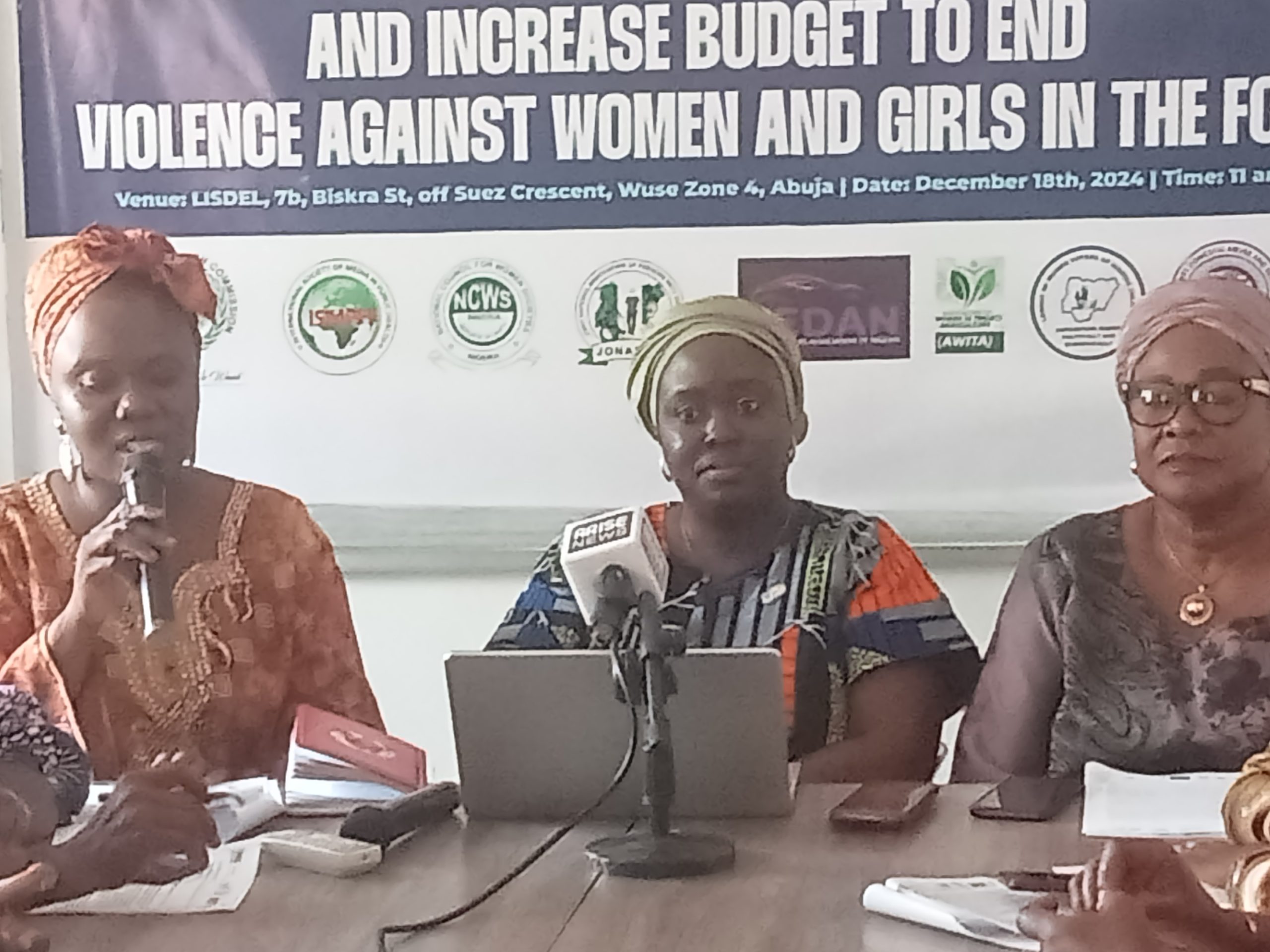
Executive Director – Centre for Accountability and Inclusive Development (CAAID), Lead FCT SBGV Working Group, at a press conference in Abuja called on the Minister of the Federal Capital Territory and all Area Councils to adopt the gender-responsive budget to address specific needs of SGBV survivors.
Aanu’ Rotimi, who is also the Chair of the FCT Accountability Mechanism Network urged the National Assembly to prioritise the issues of gender-based violence in the 2025 budget.
She said that the responsive framework would integrate a gender perspective that would encompass, planning, resource allocation, programme implementation and impact assessment.
Aanu’ Rotimi, who was supported at the briefing by Ambassador Ojineme Enakeme of National Youth Chair League of Women Voters of Nigeria and Secretary of the FCT Coalition for Sustainable Development and Dr Ruth Agbo who is the Executive Director, Association of Women in Trade and Agriculture and who doubles as Leader, FCT Coalition for Sustainable Development said that the whole essence was to ensure that limited resources were effectively utilised to achieve a maximum impact.
“We hereby join our voices together to seek:
– Increase budget allocation: Increased and sustained budget allocation to support SGBV prevention programs, provide comprehensive services to survivors, and hold perpetrators accountable by making adequate allocation in the 2025 FCT budget, and that of the Area Councils, and going forward ensure a gender responsive budget.
– Strengthened policies and legal frameworks; Ensure the effective implementation of the Violence Against Persons (Prohibition) Act (VAPP Act) by strengthening existing laws and developing new legislation to prevent and respond to SGBV. This includes ensuring the timely prosecution of offenders and guaranteeing access to justice for survivor
– Improve coordination and collaboration: Put in place a mechanism for multisectoral coordination and collaboration among government agencies, civil society organizations, media, and community stakeholders and groups to ensure a comprehensive and effective response to this crisis.
The coalition appealed to the FCT administration and the National Assembly to champion this course by increasing the budget allocation for SGBV prevention and response adding that the fight against SGBV is a fight for human rights, dignity and justice.
The coalition also reiterated the critical importance of the Violence Against Persons (Prohibition) Act (VAPP Act) of 2015 in protecting the rights and dignity of all Nigerians.
According to them, the landmark legislation provides a crucial framework for addressing the pervasive issue of gender-based violence in the country, which has long plagued our society.
They noted that the VAPP Act criminalizes various forms of violence, including physical, sexual, emotional, and economic abuse, and provides vital support services for victims.
They stressed that while the VAPP Act represents a significant step forward, challenges remain, adding that concerns have been raised regarding its implementation, including inadequate funding, insufficient penalties for certain offenses, and limited access to justice for victims.
They therefore called for the strengthening the VAPP Act to effectively combat gender-based violence in Nigeria.
The also advocated for Increased funding for the implementation of the VAPP Act, including dedicated resources for prevention programs, law enforcement, and support services for victims by making a statutory allocation of at least 0.5 per cent from the total national tax, a public hearing on the proposed VAPP Repeal Bill to ensure a transparent and inclusive process for any amendments to the legislation, Continuous engagement with all stakeholders, most especially citizens and civil society, law enforcement, and the judiciary, to ensure the VAPP Act remains responsive to the evolving needs and challenges related to gender-based violence.
They emphasized the need to prioritize gender equity in all areas of national development, stressing that consequences of Inaction would lead to continued suffering and trauma for survivors and their families, the perpetuation of a culture of impunity and silence, and most importantly, undermining of the FCT’s economic growth and development, and that of entire country.