


Expert Identifies Legal, Land Administration as Factors Undermining Mortgage Financing in Nigeria.
A mortgage finance expert has identified both Legal framework and Land administration as undermining the mortgage finance sub-sector of the Nigerian economy.
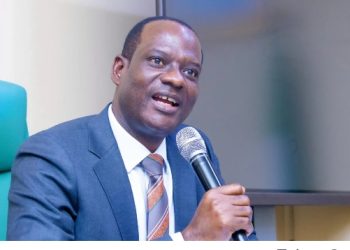
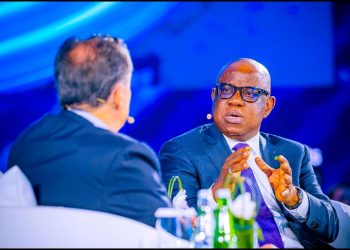
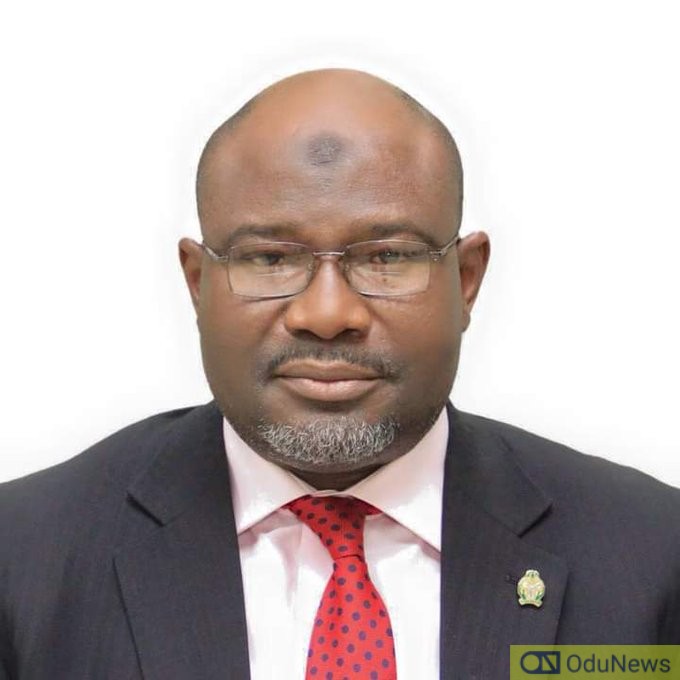
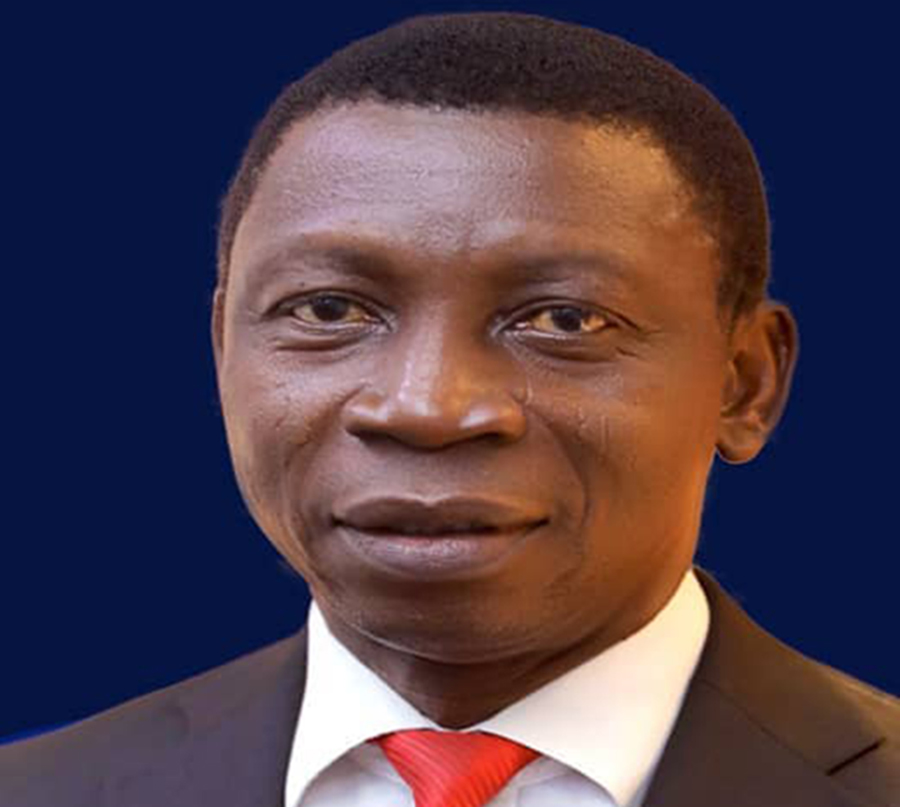
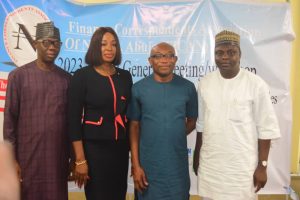
Managing Director and Chief Executive officer of Infinity Trust Mortgage Bank(ITMB), Mr Sunday Olumorin stated this in his paper presentation at the 2022 Annual General Meeting/Workshop of Finance Correspondents Association of Nigeria,(FICAN) in Abuja.
Mr Olumorin who was represented by the Group Head, Business Development department of the bank, Mrs Ngozi Chukwu, stated that
“within the past 10 years, there has been several reforms and initiatives to deepen mortgage financing in Nigeria, most of which focused on creating an ambient macroeconomic environment for mortgages to thrive”, adding that. a critical examination of these reforms revealed that two critical areas – legal framework and land administration – are still undermining the sector.
 He further stated that ” the Housing Finance Market in Nigeria is capable of growing the GDP of Nigeria to 70-80% of its present size and increasing the stock of affordable housing would accelerate growth of Nigerian middle class, deepen the Nigerian market and increase aggregate demand in the economy
He however suggested an aggressive follow up with the Government through the Regulatory Agencies and other Stakeholders for improvement in the Enabling Environment through the Review of Land Title/Titling processes, in terms of Cost and Time, which to some extent had hampered the flow of Mortgage Finance and adversely affected financial inclusion.
He said it was pertinent for government to increase funding to mortgage financing in Nigeria, in the provision of adequate and quality housing because the sub-sector has immense potentials to boost economic growth.
Olumorin who spoke on the theme: Nigeria’s Mortgage System: Regulatory Challenges and Exploring Opportunities, noted that housing should be given the first lift in every government fiscal and monetary policy to make funds easily accessible and at a cheaper rate for citizens, as every activity in the sector generates employment that will boost and sustain economic growth.
“Any government that seeks to be close to its citizens should prioritize it. This is because the availability and non-availability of shelter affects the psyche of people and the economy. Economically, investment in shelter contributes to fixed asset formation, employment and substantial backward and forward integration with the rest of the economy”, he said.
He however acknowledged that the subsector had made remarkable progress in tackling some of these challenges that confronted it in the last decade.
According to him, the These significant was made possible by the efforts of the Federal Government, through the Central Bank of Nigeria CBN as the external regulatory agency for the Mortgage Banks as well as other efforts.
Despite the significant levels of success, Olumorin assured that the mortgage-banking sub-sector is still striving to achieve more milestones to boost the nation’s economy.
He recommended several measures to further strengthen the industry, part of which was to create increased access to Mortgages for low and middle income earners, and the extension of financial services to them.