




• About
  • Advertise
  • Privacy & Policy
  • Contact
Advertisement
  • News
    Yushau Shuaib Admitted as IPRA Fellow, Earns FIPRA Designation

    Yushau Shuaib Admitted as IPRA Fellow, Earns FIPRA Designation

    FG Introduces N50,000 Monthly Cash Relief for Vulnerable Nigerians

    FG Introduces N50,000 Monthly Cash Relief for Vulnerable Nigerians

    Teachers Honored as Sterling Oil and VCDF Deepen Education Support across Nigeria

    Teachers Honored as Sterling Oil and VCDF Deepen Education Support across Nigeria

    ‎OTUWA Urges ECOWAS Member States On Adequate Funding, Deliberate Budget for social protection

    ‎OTUWA Urges ECOWAS Member States On Adequate Funding, Deliberate Budget for social protection

    OTUWA, DTDA Hold Regional Workshop On Social Protection, Workers’ Rights In Abuja

    OTUWA, DTDA Hold Regional Workshop On Social Protection, Workers’ Rights In Abuja

    Nigeria Inaugurates Interministerial Committee to Coordinate Climate Action

    Nigeria Inaugurates Interministerial Committee to Coordinate Climate Action

    Trending Tags

    • Trump Inauguration
    • United Stated
    • White House
    • Market Stories
    • Election Results
  • Business/Economy
  • Insurance/Pension
  • Investigations
  • Opinion
  • Politics/Governance
  • Security/Emergency
No Result
View All Result
No Result
View All Result

The Menace of Ponzi Schemes: What Regulatory Authorities Should do

Editor by Editor
October 1, 2026
0
The Menace of Ponzi Schemes: What Regulatory Authorities Should do

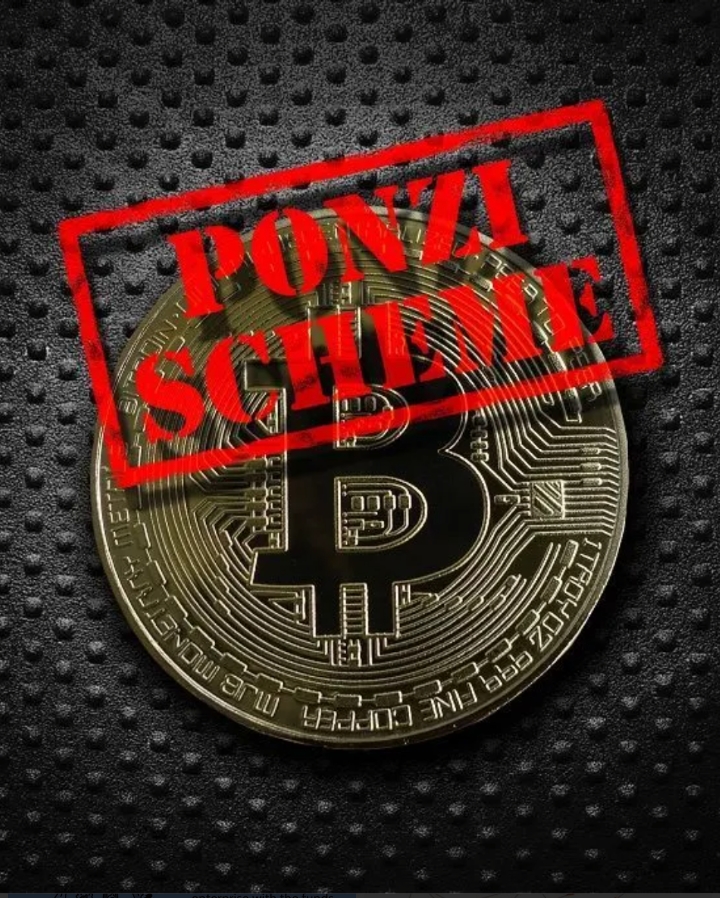
PONZI SCHEME

0
SHARES
Share on FacebookShare on Twitter

The Menace of Ponzi Schemes: What Regulatory Authorities Should do

By Muhammadu S. Bello

RelatedPosts

Nigeria And The Metaphor Of Fake Sleep

A NIGERIAN NAVY FOR THE PEOPLE: LESSONS IN SOFT POWER

Nigeria, ECOWAS, and the Cold Economics of West Africa’s Alliances

The growing spread of Ponzi and pyramid schemes in Nigeria remains a serious concern for individuals, families and the financial system. Despite repeated warnings and the collapse of several schemes, many Nigerians continue to invest their hard-earned money in platforms for high returns within short periods.

In April 2025, the collapse of Crypto Bridge Exchange (C-BEX) reportedly left thousands of Nigerians facing substantial financial losses. The Economic and Financial Crimes Commission (EFCC) subsequently commenced investigations into the affairs of the company.
The problem is not new. The term “Ponzi scheme” originated from Charles Ponzi, who in 1920 attracted millions of dollars by promising investors extraordinary returns. The model depended largely on using money from new investors to pay earlier participants rather than generating genuine investment profits.
Nigeria has witnessed similar experiences through schemes such as MMM Nigeria, MBA Forex and others. Yet, new schemes continue to emerge, increasingly using social media and digital platforms to attract victims.
Why Do Nigerians Fall Victim?
Economic hardship, unemployment, low financial literacy and the desire for quick financial gains are among the factors contributing to the continued attraction of Ponzi schemes.
Social media has made the problem more difficult. Promoters can easily display alleged profits, luxury lifestyles and testimonials to create an impression of credibility. Some investors may therefore commit their savings without first verifying whether the operator is licensed or whether the promised returns are realistic.
What Should Be Done?
The Securities and Exchange Commission (SEC), as the principal regulator of Nigeria’s capital market, has a major role to play. However, the problem requires stronger collaboration with members of the Financial Services Regulation Coordinating Committee (FSRCC) among the SEC, Central Bank of Nigeria (CBN), Nigeria Deposit Insurance Corporation (NDIC), National Pension Commission (PenCom), Corporate Affairs Commission (CAC), law-enforcement agencies and other relevant institutions.
The (FSRCC), should strengthen this collaboration through improved information sharing, appropriated funding to SEC for this purposes and surveillance and coordinated enforcement.
The SEC should also be provided technology and specialised personnel to identify and investigate suspicious investment schemes before they attract thousands of victims.
Financial-literacy campaigns should not be restricted to major cities. Traditional rulers, market associations, trade unions, religious organisations and community groups should be engaged to reach rural and semi-urban communities. The National Orientation Agency (NOA) can also assist in extending these campaigns across the country’s 774 local government areas.
Technology should be used to enable Nigerians to quickly verify whether investment operators are licensed. Regulators should also work with social-media platforms to disseminate warnings about identified fraudulent schemes.
Prevention Is Better Than Recovery
The fight against Ponzi schemes must begin before they collapse. By the time a scheme fails, victims may have already lost their savings, and recovering the money can be difficult.
Government agencies, regulators, financial institutions, the media, traditional institutions and development partners must therefore work together to strengthen prevention, enforcement and financial education.
The public also has a responsibility to verify investment opportunities before committing funds and to be cautious of promises of extraordinary returns within very short periods.
The battle against Ponzi schemes is ultimately a battle for financial awareness and public protection. Nigeria must therefore move beyond reacting to collapsed schemes and focus more strongly on detecting, preventing and stopping them before they cause widespread financial losses.

Muhammadu S. Bello is a public commentator based in Abuja and can be reached via sarkiwa@gmail.com

Tags: The Menace of Ponzi Schemes: What Regulatory Authorities Should do
Previous Post

From Michael Moore’s Stupid White Men To Nigeria’s Foolish Black Elites

Next Post

Tinubu signs Appropriation (Amendment) Bill No. 4 2025

Editor

Editor

Related Posts

The Abacha In Tinubu; By Iduh Onah
Opinion

Nigeria And The Metaphor Of Fake Sleep

October 28, 2026
A NIGERIAN NAVY FOR THE PEOPLE: LESSONS IN SOFT POWER
Opinion

A NIGERIAN NAVY FOR THE PEOPLE: LESSONS IN SOFT POWER

October 26, 2026
ECOWAS Commission Engages Togolese Authorities on Environmental Protection and Climate Resilience
Opinion

Nigeria, ECOWAS, and the Cold Economics of West Africa’s Alliances

October 23, 2026
The Abacha In Tinubu; By Iduh Onah
Opinion

Your Excellency, We Are Still In Egypt!

October 21, 2026
The Abacha In Tinubu; By Iduh Onah
Opinion

2027: How I’m Going To Vote And Why By Iduh Onah

October 14, 2026
Free Zones At a Crossroads?: Why Nigeria Must Not Tax Away Its Industrial Ambition
Opinion

Free Zones At a Crossroads?: Why Nigeria Must Not Tax Away Its Industrial Ambition

October 3, 2026
Next Post
Tinubu approves N70,000 minimum wage

Tinubu signs Appropriation (Amendment) Bill No. 4 2025

Leave a Reply Cancel reply

Your email address will not be published. Required fields are marked *

Follow Us

Browse by Category