




Fears of Job Loss grip Pengassan Workers over Energy Transition
There are palpable fears of job loss over the global energy transition most especially within the ranks of the Petroleum and Natural Gas Senior Association of Nigeria (PENGASSAN)
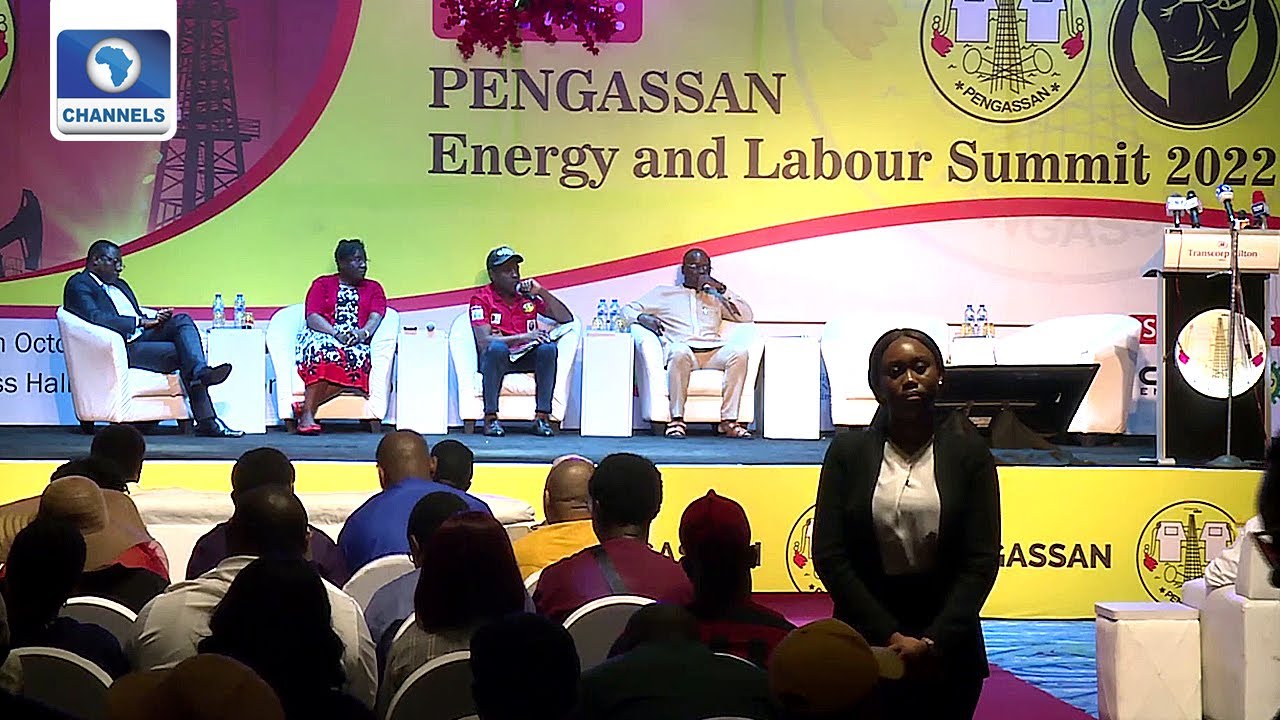
The hint was dropped by the leadership of PENGASSAN at the ongoing Energy and Labour summit holding in Abuja.
PENGASSAN President, Comrade Festus Osifo, on the occasion said it was on this premise that the association, being proactive and poised to protect the jobs of its workforce, chose to organise the summit
He said: “The attention of and discussions have been majorly on investments, climate, profits, and little or no focus on the workers who ensure other factors of production are assembled.
Comrade Osifo, said energy transition remains a global burning issue as it affects all sectors and nations regardless of location or affiliation.
Following the energy transition call, he said several oil and gas companies have reflected the new realities.
Total, according to him, is now Total Energies; Savannah Petroleum is now Savannah Energies, and Norway Statoil is now Equinor.
He also noted that most governments all over the world are now committed to greener energy as they have started developing programmes that support the transition.
Osifo said a lot of oil and gas exploration companies are now strategizing and moving their investments and significant capital to renewable energy-related projects.
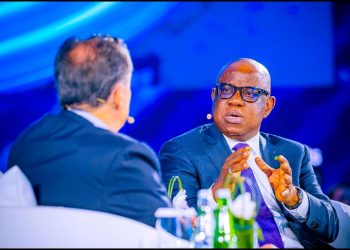
In a panel session on “Energy Transition: Positioning the Nigeria Energy Industry for the Future,” National Petroleum Investment Management Service (NAPIMS), Group General Manager, Bala Wunti, said there must be a balance between energy transition and energy consumption.
He tasked the workers on the emerging technology, insisting they have to be innovative to reduce emissions from hydrocarbons.
He said the best way to go is to continue to be Environment Social and Corporate Governance (ESG) compliant, adding that the combination of what they call the ESG framework will help in addressing the impact of energy emission.
Wunti said “So, first let’s go, everybody has come to say that Net Zero is a dream that can never happen. So zero carbon has never happened. And what that zero everybody has now redefined energy transition to being working for clean, affordable and reliable supplier management.”
He said Nigeria should be concerned about elimination of emissions and energy poverty.
Speaking, another panelist, the Executive General Manager, HR, Total Energies, Evi Ifekwe allayed fears about job loss.
She said studies have shown that the energy transition would lead to the creation of 78million jobs between now and 2050.
According to her, there will be high demand for small and medium enterprises as the workers do not need big corporations to produce the needed apps.
Meanwhile, the Petroleum Technology Development Fund (PTDF), General Manager, Strategic Planning and Documentation Department, Mr. Jide Adebulahin revealed that the fund is going to the universities to review their curriculum to suite the energy trend.
He assured the staff that “Gas is green to us.” PTDF, according to him, will retrain all the staff despite what the International Oil Companies (IOCs) are doing.
Leading a panel session on the topic: “Repositioning the Nigerian Energy Industry and its Workforce for the Future”, the Group General Manager, National Petroleum Investment Management Services (NAPIMS), Dr. Bala Wunti, urged PENGASSAN to prepare itself and be on the growth trajectory by acquiring relevant skills that will make the workforce remain relevant, adding that significant disruption is expected in the industry in the next five to 10 years, with global emphasis on clean energy.
In his words, “The future is going to be different; it is going to be technology-driven therefore, innovation, creativity and soft skills are very important for all of us to be workers of today and future leaders.
Dr. Wunti, while expressing confidence that by 2060 Nigeria will achieve net zero emission and energy self-sufficiency, emphasized that the target of the country’s oil and gas means that all hands must be on deck.