




Stakeholders Raise Concern over Decline in International Public Finance for Gas Projects
By Ewache Ajefu
Experts and Stakeholders in Nigeria’s energy sector have raised concerns over the obvious decline in International Public Finance for Gas Projects in the Country.
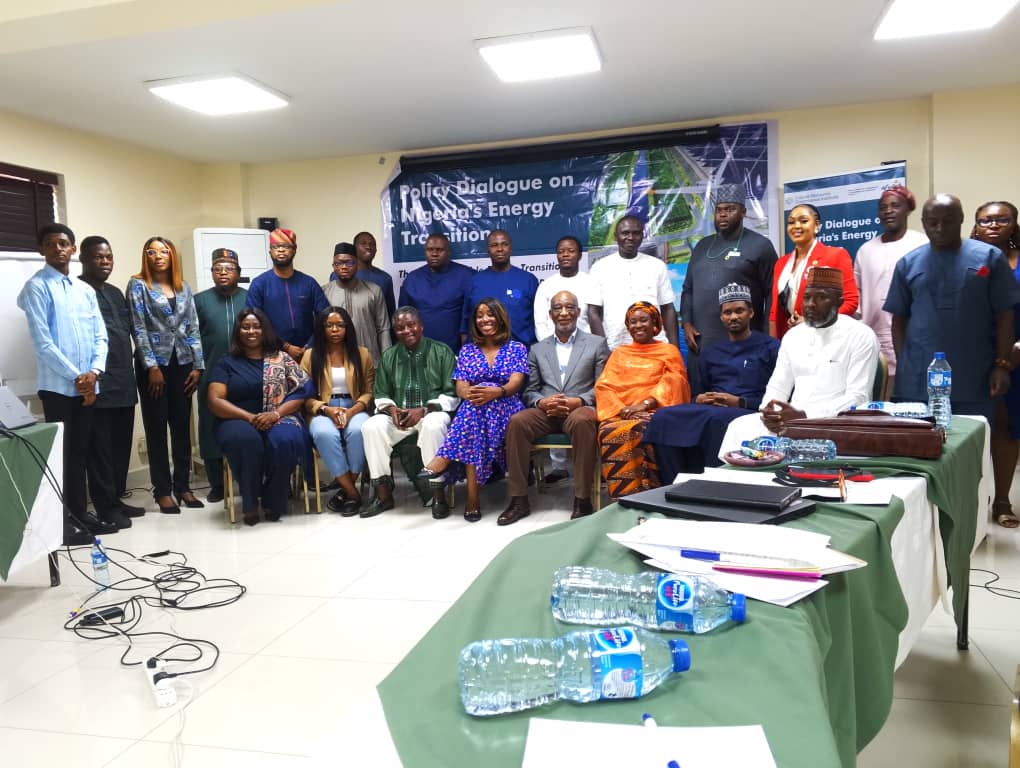
The stakeholders reached this consensus at the just concluded “Policy Dialogue on Sustainable Energy Transition: Balancing Gas and Renewables Pathways in Nigeria’s Transition Strategy, held in Abuja.
The event was put together by the African Initiative for Transparency, Accountability, and Responsive Leadership(AfriTal) and the Natural Resource Governance Institute (NRGI).
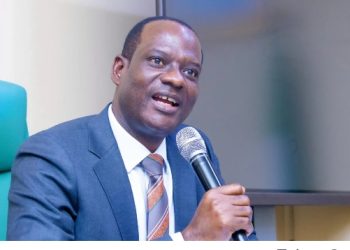
In his presentation, Aaron Sayne, Lead for Domestic Energy Transition at NRGI,
noted that international public finance for gas projects has significantly declined, with no new loans reported in 2022 and 2023, just as he highlighted the challenges of financing gas power plants in Sub-Saharan Africa, noting international constraints.
According to him, the development reflects investors’ concerns over financial viability rather than climate issues, as many multilateral development banks have shifted focus towards renewable energy sources like solar and wind.
Sayne noted that while gas remains a transitional fuel, support for solar and wind projects has surged, with 90 per cent of financing directed towards off-grid initiatives and mini-grids.
He said Nigeria requires about $6 billion annually to develop renewable energy assets but currently receives a fraction of that amount.
He also noted that though investors are willing to support renewable finance, Africa gets only three per cent of the total global financing, with SA, Morocco, Kenya, Ethiopia, Senegal dominating the market.
However, participants at the event emphasized the significant shift in financing toward renewable energy sources and advocated for innovative funding mechanisms and stronger collaboration between governments and the private sector to improve energy access and sustainability.
They also stressed the need to prioritize projects aligned with investors’ risk profiles to attract essential capital, adding that the disparity in funding between gas and renewables raises questions about the future of energy access in the region.
They also agreed that lenders charge African countries or companies up to seven times more than they do in Europe or North America.
The result is that Africa has at least 40 per cent of the world’s solar potential but only one per cent of all solar panels.
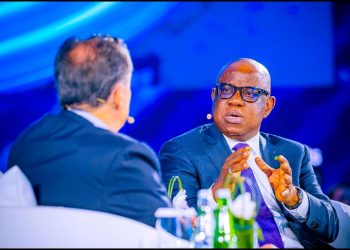
Meanwhile, the Executive Director of AfriTal, Dr Louis Brown Ogbeifun, in his remarks noted that though everyone is talking about a just and equitable transition, from all perspectives, perceptions, and body language, most of the brains behind the push for early decarbonisation, which also has gas, are not willing to support gas as a cleaner energy nor support renewable financing.
He said that with dwindling resources, the government was changing from using gas as a transition fuel to a destination fuel, and investors reducing patronage and or funding of fossil fuel projects.
“How do we get the money to fund the infrastructures for gas and renewables at the same time?
How do we care for vulnerable communities, which includes providing vocational training and financial incentives for youth and local businesses?
How do we ensure that the women who before now dry fish with the flared gas are engaged and let them know that they would have better and affordable alternatives when the flare can no longer support their businesses?” he queried.
Ogbeifun asked: “How do we ensure that Nigeria can use its crude to diversify into cleaner energy without carrying the burden of overloaded debt burden in the face of vandalism, crude oil theft, unstable foreign exchange regimes, and insecurity, which those agitating for us to fast track our energy transition
How do we get affordable energy for our women to cook?; With the level of our poverty, how many people can conveniently convert their cars to CNG powered systems?
He noted that the defunding of fossil fuel projects, inability to optimally up production activities for various reasons, for example sliding naira against the dollar, sabotaging oil installations, and high debt profile might make it difficult to get the funds needed for gas and renewable infrastructures.
Ogbeifun called for updates on the Decade of Gas (DofG), which he noted, was almost half way. He wondered if the country has met half of the aspirations embedded in the DofG plan and roadmap.
“There is the need for updates to appraise what could be done in the short, medium and long terms that would make gas available for the transition being planned. The road might be rough and tough but I think doing certain things rightly and changing the optics might help us develop home grown solutions to our energy challenges,” he said.
Also speaking, director of the Drive Electric Initiative, Ghana Energy Commission, Doris Edem Agbevivi, shared insights on the importance of sustainable energy practices.
She underscored the need for a balanced approach to energy generation and consumption, advocating for increased electricity demand through electric mobility.
Agbevivi warned against the potential influx of used internal combustion engine vehicles into Africa as developed nations phase them out, stressing the importance of establishing robust recycling systems for electric vehicle batteries.
Nigeria plans to use Natural gas as a transition fuel and pathways to net-zero emissions in 2060, because it is considered a cleaner energy source, which is better than oil, and coal in terms of carbon dioxide emissions, and therefore provides a cleaner alternative to coal and oil.
To ensure that it meets the commitment to lowering fossil fuel emissions, it deployed the Gas Flare Commercialization Program to capture flared gas, which has a devastating effect on humanity and the planet. The captured gas will then be processed as an energy source.
Nigeria’s Energy Transition Plan(ETP) outlines a comprehensive strategy to achieve carbon neutrality by 2060, focusing on reducing emissions across critical sectors such as power, transport, and industry, apart from identifying significant investment opportunities in renewable energy projects, including solar IPPs, decentralized renewable.